
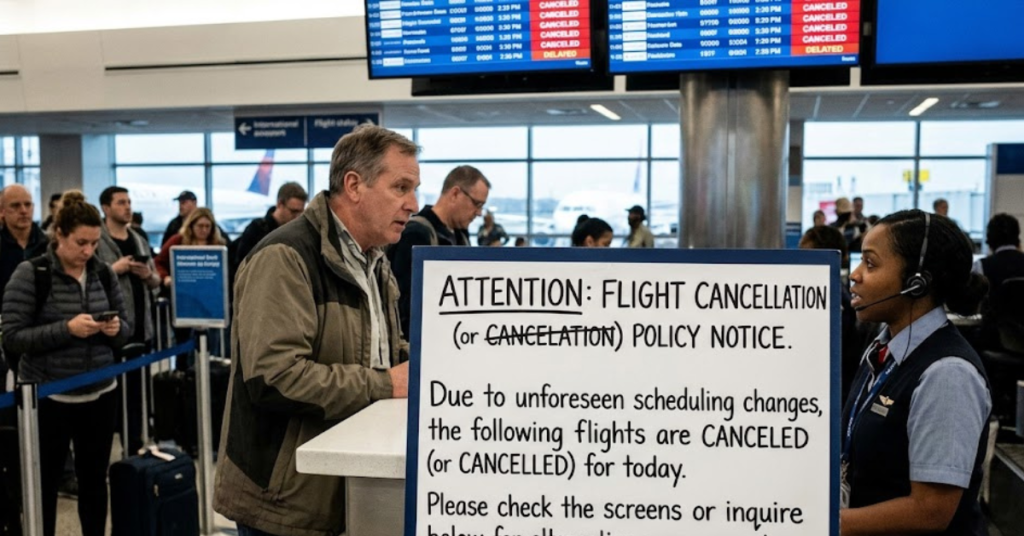

You type it, pause, and second-guess yourself—cancelation or cancellation? If you’ve ever wondered about cancelation or cancellation, you’re not alone. This is one of those English spelling questions that trips up even confident writers. The good news is that the answer is straightforward once you understand the rules. In this guide, we’ll break down the correct spelling, explain regional differences, and give you easy tips to remember it every time.
Cancelation or Cancellation: Which Is Correct?
Let’s clear it up first.
- Cancellation is the standard and most widely accepted spelling
- Cancelation is less common but sometimes accepted in American English
In simple terms:
- Formal, academic, and global usage: cancellation
- Occasional US usage: cancelation (rare)
So if you’re asking which is correct cancelation or cancellation, the safest answer is cancellation.
Why Are There Two Spellings?
English spelling can be inconsistent, and this word is a perfect example.
Here’s what’s happening:
- The base word is cancel
- When adding “-ation,” some forms double the “l”
- Others keep it single depending on style or region
Related examples:
- Travel → Travelling (UK) vs Traveling (US)
- Model → Modelling vs Modeling
This explains the confusion around cancelation or cancellation spelling.
US vs UK Usage
Understanding regional differences makes things clearer.
United States:
- Both forms exist
- Cancellation is still more common
- Cancelation appears in some simplified spellings
United Kingdom and most of the world:
- Only cancellation is considered correct
So if you’re comparing cancelation or cancellation UK, the answer is always cancellation.
What About AP Style?
If you write for journalism or media, style guides matter.
AP Style rule:
- Prefers cancellation
Even in American contexts, professional writing standards lean toward the double “l” version. That answers ap style cancelation or cancellation clearly.
Meaning of Cancellation
Both spellings refer to the same concept.
Definition:
Cancellation means the act of calling something off or making it no longer valid.
Common uses:
- Flight cancellation
- Subscription cancellation
- Event cancellation
So in terms of cancelation or cancellation meaning, there’s no difference—only spelling varies.
How to Spell It Correctly Every Time
If you want to avoid confusion, follow these simple tips.
Easy rules to remember:
- Double the “l” → cancellation
- Use it in formal or professional writing
- Stick to one spelling consistently
Memory trick:
Think of “cancel” becoming “cancell + ation.”
This helps you avoid mistakes when deciding spell cancelation or cancellation.
Common Mistakes to Avoid
Many writers make small but noticeable errors.
Watch out for:
- Mixing both spellings in one document
- Assuming “cancelation” is always correct in the US
- Dropping the second “l” in formal writing
Consistency is key to professional writing.
Quick Comparison Table
| Spelling | Correct? | Usage |
| Cancellation | Yes | Standard worldwide spelling |
| Cancelation | Rare | Occasionally used in US |
Synonyms for Cancellation
If you want variety in your writing, consider these alternatives:
- Termination
- Revocation
- Withdrawal
- Annulment
- Abandonment
These can help when searching for a cancelation or cancellation synonym.
FAQs
Is it cancelation or cancellation?
Both exist, but “cancellation” is the correct and preferred spelling.
Which spelling should I use in formal writing?
Always use “cancellation” for clarity and professionalism.
Is “cancelation” wrong?
It’s not entirely wrong, but it’s uncommon and less accepted.
What does cancellation mean?
It refers to stopping or ending something, like an event or service.
Does spelling differ in Canada or the UK?
In both regions, “cancellation” is the standard spelling.
Conclusion
When it comes to cancelation or cancellation, the safest and most widely accepted choice is cancellation. While the single “l” version may appear occasionally in American English, it’s far less common and not recommended for formal writing.
By sticking with the double “l” spelling, you ensure clarity, consistency, and professionalism in your work. Now that you know the difference, you can write with confidence and avoid one of the most common spelling mistakes in English.